Main Menu

With the most hours of sun in Europe, the Eastern Mediterranean is a haven for beach-goers, party-people and cultural enthusiasts alike, and is known for its rich and tasty cuisine.
Greece (Greek: Ελλάς, Hellas or Ελλάδα, Ellada) is a country rich in history, culture and natural beauty. Ancient Greece was one of Europe's first urban civilizations, and the origin of much of the arts, language, philosophy, politics, and sports of western society. The cultural heritage and spectacular mountains and beaches draw tourists from far away. Much of the country consists of peninsulas and islands in the Aegean, Ionian, and Mediterranean Seas.
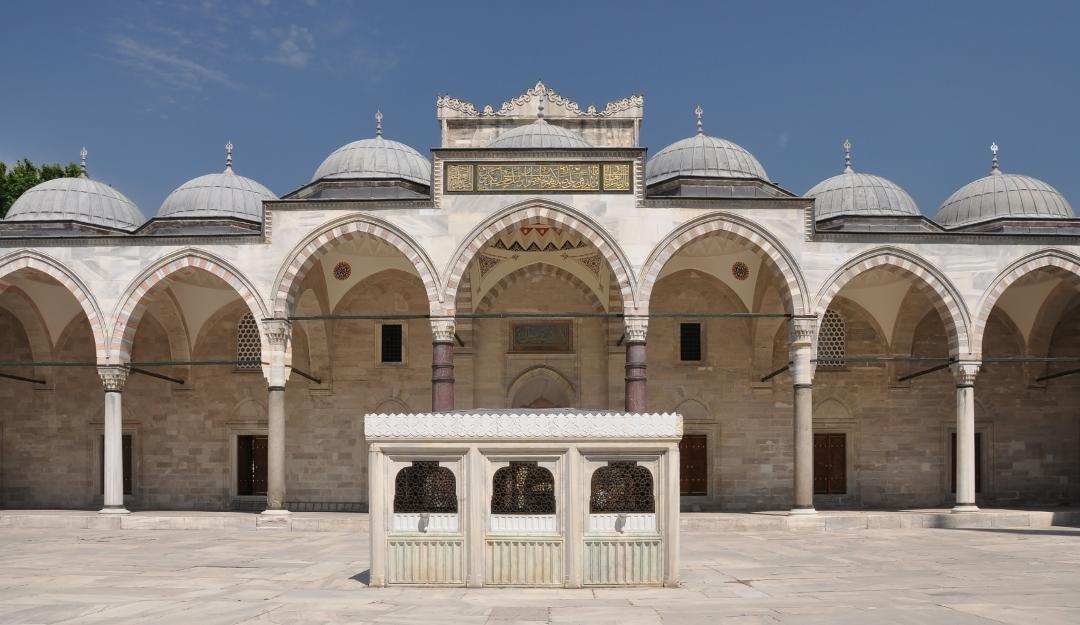
Turkey (Turkish: Türkiye) is a bi-continental country: while geographically most of the country is situated in Asia, Eastern Thrace is part of Europe and many Turks have a sense of European identity. Turkey offers a wealth of destination varieties to travellers: from dome-and-minaret filled skyline of Istanbul to Roman ruins along the western and southern coasts, from heavily indented coastline against a mountainous backdrop of Lycia and wide and sunny beaches of Pamphylia to cold and snowy mountains of the East, from crazy "foam parties" of Bodrum to Middle Eastern-flavoured cities of Southeastern Anatolia, from verdant misty mountains of Eastern Black Sea to wide steppe landscapes of Central Anatolia, there is something for everyone's taste—whether they be travelling on an extreme budget by hitchhiking or by a multi-million yacht.
Cyprus (Greek: Κύπρος, Turkish: Kıbrıs) is an island in the eastern Mediterranean Sea, south of Turkey. It offers beautiful beaches and extensive historical and archaeological sites. There are three politically distinct areas in the island: the Republic of Cyprus (a member of the European Union) is a state with wide international recognition. However it only controls territory in the south. The Turkish Republic of Northern Cyprus is functionally a separate country, though it receives diplomatic recognition only from Turkey.
-
Image by
Moonik, CC BY-SA 3.0, via Wikimedia Commons


